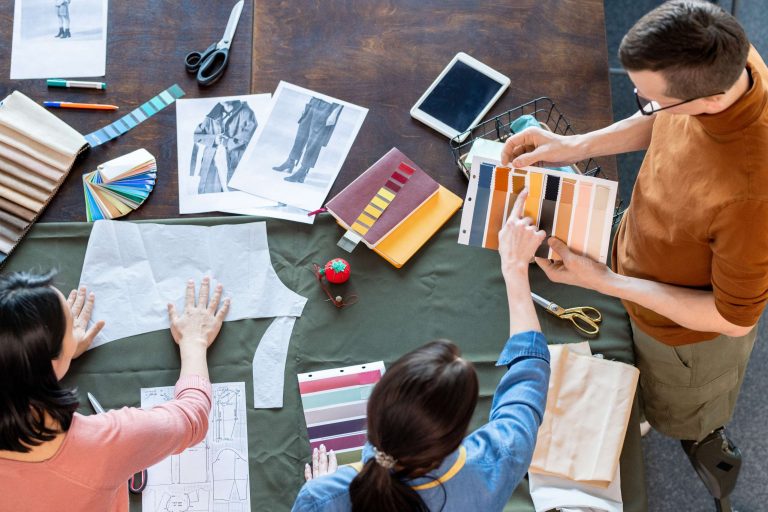
The Path to Design Mastery
Becoming good at design is a long way from just learning a tool or method: it’s perpetual discovery, practice and improving. Every designer starts with basic things like composition, color theory and visual hierarchy – it’s bringing these and other elements together in a way that is logical to you as well as visually pleasing where the real skill lies. The road is paved with patience, curiosity and willingness to experiment – because nothing will teach you as much as making a mistake! With each finished project, with every challenge and feedback received, it veers in direction closer to comprehension of the existence of design as an art and a means of expression.
It’s a highly iterative process to learn skills in design. As students work through the educational content, their exercises grow progressively more complex to help build confidence and internalize foundational concepts. Repetiton with critique allows designers to see patterns, anticipate effects, and make reasoned decisions. Returning to old work and reimaging it through a contemporary lens doesn’t just hone technical expertise but also essay [sic] the breeding of creative judgment. Through iterations over time, these habits of work develop the designer’s intuition for problem solving and inventing.
In addition to technical skills, the path of mastery focuses on innovation and attitude. Designers need to learn how to walk the line between service and communications, making sure that every choice serves a clear communicative purpose. Try out various styles, test drive a wacky layout – defy what’s normal and show that you can broaden your mind and have a brand-owning point of view. The creation of this independent visual vocabulary enables students to express complex ideas in a manner that is distinctive, memorable and meaningful.
Mentorship and feedback from the community were huge for fueling growth. Watching seasoned designers, getting critiques, and discussing ideas with others can provide invaluable perspective that is hard to come by in a vacuum. We can only learn from it and use it to drive innovation by being exposed to different contrasts of approaches and problem-solving strategies. Connecting with a community provides motivation, as using Ted’s to-do lists encourages individuals to see their peers advance and pursue creative achievements together.
At the end of the day, the path to learn design is a journey and an amazing one at that. It utilises skill, intuition, and imagination to generate work that communicates and resonates with the viewer. Each tier builds on the one before it, turning beginners into experienced problem-solvers who are able to take on challenging projects and communicate their vision with ease. That dedication and curiosity allow designers to build mastery, which in turn gives them the confidence they need to succeed at any creative output.